Ever watched your hunting dog tire out mid-chase and thought, “Is it me, or is their food just…meh?” You’re not alone. Many hunting dog owners overlook the magic of a high-quality dog performance meal, thinking generic kibble will cut it. Spoiler alert: It won’t.
In this post, we’ll dig into why specialized nutrition matters for your four-legged athlete, how to choose the ultimate dog performance meal, and tips (yes, even terrible ones) for keeping your pup fueled. By the end, you’ll have the knowledge to turn your dog into a lean, mean, retrieving machine.
You’ll learn:
- Why regular dog food fails your hunting champion.
- A step-by-step guide to selecting the perfect dog performance meal.
- Real-life examples of dogs thriving on top-tier nutrition.
Table of Contents
- Why Does Your Hunting Dog Need Specialized Food?
- How to Choose the Perfect Dog Performance Meal
- Best Practices for Feeding Your Active Dog
- Real Results from Real Dogs
- Frequently Asked Questions About Dog Performance Meals
Key Takeaways
- Hunting dogs burn through calories faster than couch potatoes—generic food just doesn’t cut it.
- Look for nutrient-dense ingredients like protein-rich meats, omega-3 fatty acids, and complex carbs when choosing a dog performance meal.
- Overfeeding can be as bad as underfeeding; balance is crucial.
Why Does Your Hunting Dog Need Specialized Food?
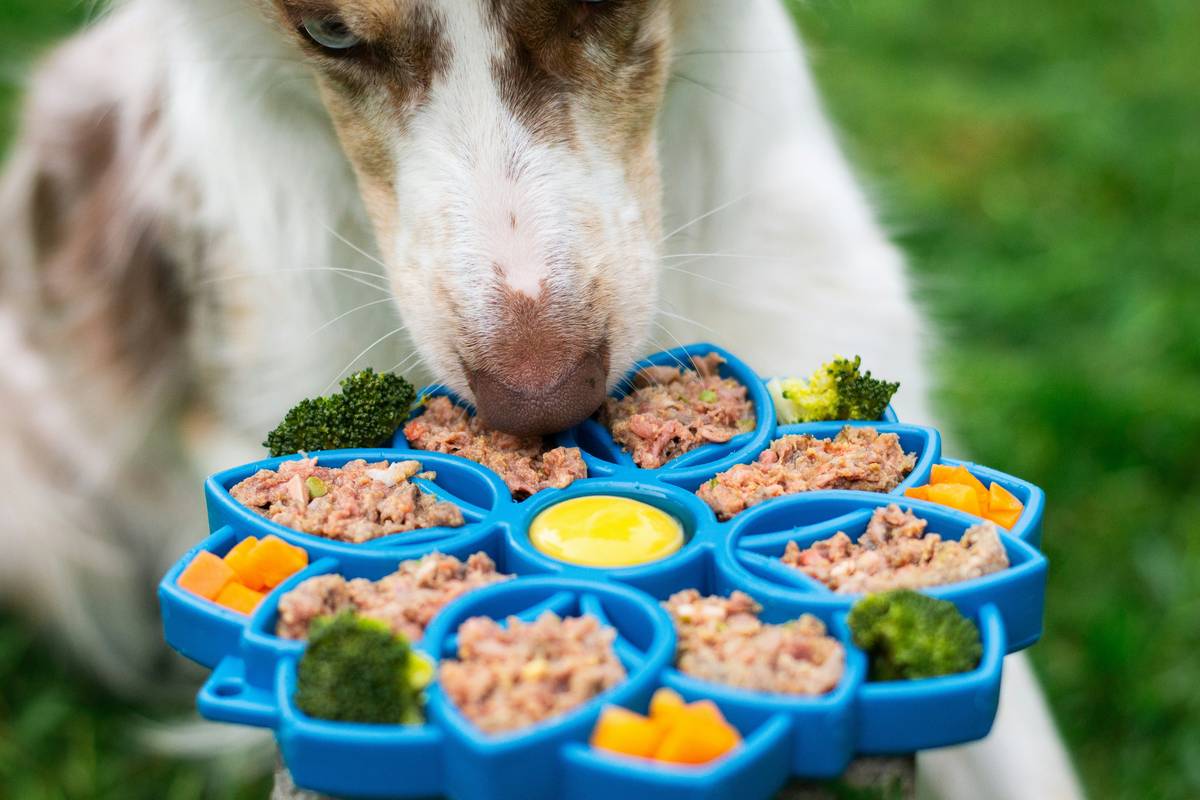
Imagine running a marathon while surviving on stale crackers. That’s basically what feeding generic dog food to a hunting dog feels like. These pups are elite athletes, burning up to 2,000 calories per day during peak seasons. Their energy demands are insane, and they need fuel that matches their workload.
I once made the rookie mistake of feeding my Lab mix bargain-brand kibble before a weekend duck hunt. He lasted two retrieves before flopping onto the ground, tail between his legs. Lesson learned: cheap food = zero stamina.
“This isn’t about spoiling your dog—it’s about giving them the tools to thrive. Think of it as upgrading from a tricycle to a Ferrari.”
Not convinced yet? Here’s a stat for you: Studies show that proper nutrition boosts endurance by up to 30%. If you’re serious about your dog’s performance, you better get serious about their meals too.
How to Choose the Perfect Dog Performance Meal
Choosing the right dog performance meal might feel overwhelming, but it’s simpler than you think. Follow these steps:
Step 1: Check the Protein Content
Your hunting dog needs at least 25% protein in their diet. Why? Protein builds muscle, repairs tissue, and keeps those wagging tails going strong. Look for whole meat sources like chicken, beef, or fish—not vague terms like “meat by-products.”
Step 2: Look for Carbs That Last
Complex carbohydrates like sweet potatoes and brown rice provide sustained energy. Avoid fillers like corn and soy—they’re empty calories that do more harm than good.
Step 3: Additions Matter
Optimist You: “Glucosamine and chondroitin are great for joint health!”
Grumpy Me: “Yeah, sure, if you don’t mind paying extra—but trust me, your dog’s hips will thank you later.”
Other beneficial additions include omega-3 fatty acids for skin/coat health and probiotics for digestion.
Best Practices for Feeding Your Active Dog
- Feed Based on Activity Level: Adjust portion sizes based on your dog’s daily exertion. A lazy Sunday = fewer calories, a full-day hunt = more grub.
- Hydration is Non-Negotiable: Always pair high-energy meals with plenty of water. Dehydration can ruin even the best-laid nutritional plans.
- Monitor Weight Changes: Too skinny? Increase portions slightly. Packing on pounds? Dial it back. Balance is key.
Now here comes the brutal honesty: Don’t fall for gimmicks claiming “all-natural miracle cures” without scientific backing. I tried one such product once—it was basically flavored chalk dust. Save your money.
Real Results from Real Dogs
Meet Max, a 4-year-old pointer who used to struggle with short bursts of energy followed by crashes. His owner switched him to a high-protein dog performance meal, complete with added glucosamine. Within weeks, Max could run longer, recover faster, and chase birds like never before.
Another success story involves Lucy, a Labrador retriever whose coat became dull and brittle after months of low-quality food. Transitioning to a nutrient-dense meal transformed her fur into a shiny, glossy masterpiece. Her vet even noticed improved mobility during checkups.
“Investing in quality food was the best decision I’ve ever made for my dog,” says Sarah T., an avid hunter and proud Lab owner.
Frequently Asked Questions About Dog Performance Meals
Q1: Can I feed my hunting dog regular puppy food?
Nope. Puppy food is designed for growth, not endurance. Stick to formulas tailored for active adult dogs.
Q2: How often should I feed my hunting dog?
Twice daily works best—morning and evening. For long hunts, consider packing portable snacks like freeze-dried treats.
Q3: What if my dog has allergies?
Consult your vet first, then look for hypoallergenic options free of common irritants like wheat or dairy.
In Summary: Fuel Your Furry Athlete Right
Your hunting dog deserves the best, and the secret starts with a stellar dog performance meal. From understanding their unique dietary needs to following practical feeding guidelines, every choice counts. Remember, investing in quality nutrition isn’t just about today—it’s about ensuring years of happy, healthy adventures together.
So go ahead, pour them a bowl of greatness. After all, life’s better when your dog’s tail wags harder than your fan spins. 🐾
Like a Pokemon journey, your hunting dog evolves with the right care—and nutrition is their Master Ball.