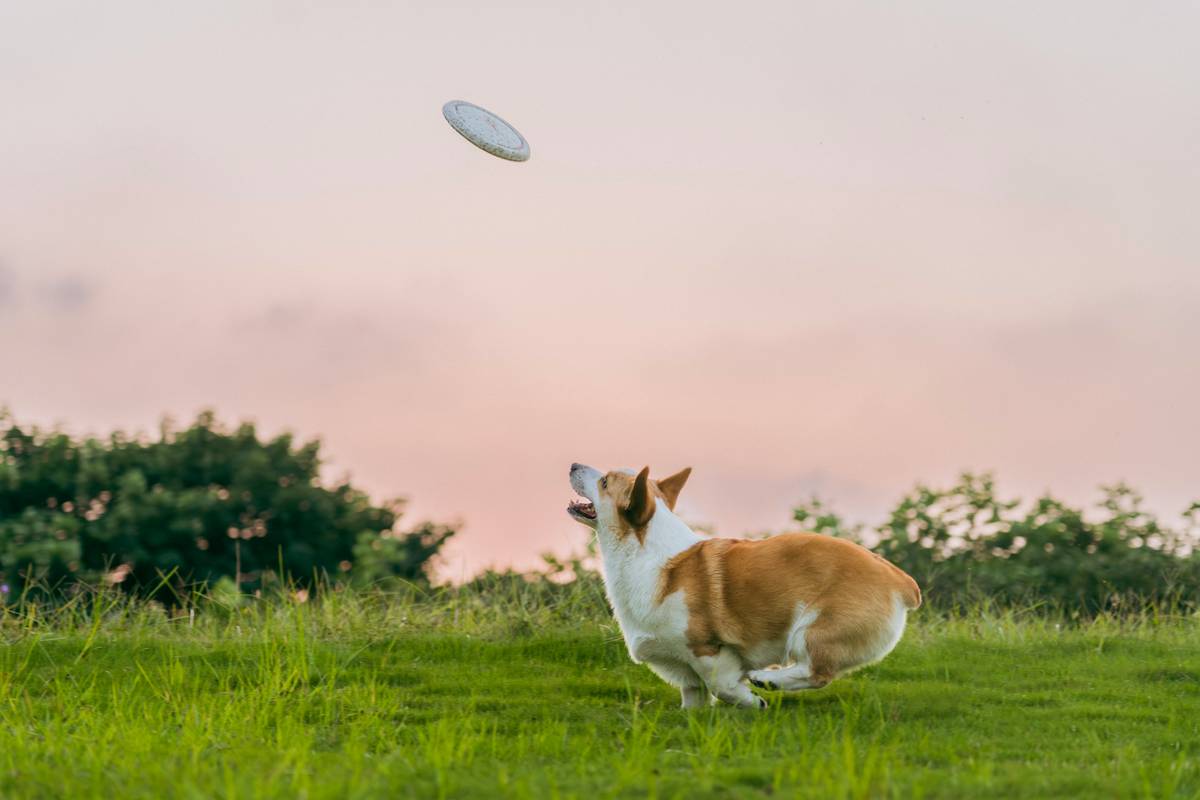
Ever found yourself staring at your hunting dog, mid-sprint, and wondered if their energy levels are keeping up with their drive? Yeah, us too.
Hunting dogs work hard—real hard. Whether they’re sprinting after game, navigating the woods, or powering through long days in the field, their energy demands are no joke. But here’s the kicker: not all dog food is created equal. In fact, we once fed our pup what looked like a high-protein kibble… only to find them snoozing by lunchtime during a hunt. Facepalm.
In this post, you’ll uncover everything you need to know about crafting a dog energy nutrition plan tailored to your hunting dog. From dissecting key nutrients to avoiding rookie mistakes, consider this your go-to guide for keeping your four-legged partner fueled and focused. By the end of this article, you’ll have actionable tips, real-world examples, and answers to FAQs about specialized pet food for hunting dogs.
Table of Contents
- Key Takeaways
- The Importance of Energy Nutrition for Hunting Dogs
- How to Create a Dog Energy Nutrition Plan
- Best Practices for Selecting Specialized Pet Food
- Examples: Real Results from Hunting Dog Diets
- FAQ
Key Takeaways
- A well-rounded dog energy nutrition plan balances proteins, fats, carbs, and hydration to sustain endurance and performance.
- Hunting dogs require more calories than average pets due to their activity levels.
- Quality over quantity: Always choose nutrient-dense foods designed specifically for active breeds.
- Common pitfalls include feeding generic “sport” formulas without checking ingredient quality.
- Real-life success stories show dramatic improvements when switching to specialized diets.
Why Does Energy Nutrition Matter So Much for Hunting Dogs?
Hunting dogs aren’t just pets—they’re athletes. On any given day, they might cover miles of rough terrain while maintaining intense focus. This level of exertion demands targeted nutrition to keep muscles fueled, joints strong, and stamina intact.
For instance, did you know that protein isn’t just about building muscle? It also plays a critical role in recovery. Meanwhile, healthy fats (like omega-3 fatty acids) support cognitive function, skin health, and coat shine. Skimp on either, and you risk sluggishness—or worse, injury.
“Optimist You: ‘Oh, I’m sure my dog will be fine with regular kibble!’ Grumpy You: ‘Ugh, fine—but only if you want half-hearted retrieves and early naps.'”

Step-by-Step Guide: How to Craft a Dog Energy Nutrition Plan
Step 1: Assess Your Dog’s Activity Level
Not all hunting dogs perform equally. Pointers, retrievers, hounds—each breed has unique needs depending on how they expend energy. Track your dog’s weekly activities to estimate calorie needs.
Step 2: Focus on High-Quality Proteins
Look for whole-meat sources like chicken, beef, or salmon as the first ingredient. Avoid foods packed with fillers like cornmeal or soy, which provide little nutritional value.
Step 3: Add Healthy Fats for Sustained Energy
Fats like fish oil and flaxseed can give your pooch a steady stream of fuel for longer hunts. Aim for a minimum of 15% fat content in their diet.
Step 4: Incorporate Complex Carbohydrates
Brown rice, sweet potatoes, or oats deliver slow-release energy to prevent crashes mid-hunt.
Step 5: Stay Hydrated
Water is crucial. Dehydration leads to fatigue faster than anything else, so ensure constant access during training and hunts.
Tips & Best Practices for Choosing Hunting Dog Food
1. Read Labels Carefully
If the label doesn’t scream “high-quality,” walk away. Ingredients should list real meat, veggies, and minimal artificial additives.
2. Avoid Terrible Tip: Overfeeding “Performance” Kibbles
Some brands market “performance” blends heavily loaded with calories. Sure, these sound great, but overfeeding them equals excess weight—not exactly ideal for agility.
3. Consider Grain-Free Options
While controversial, many owners swear by grain-free options for reducing inflammation and boosting overall health.
4. Rotate Protein Sources
Variety keeps things interesting for both gut microbiome and taste buds!
Real-Life Wins: Success Stories from the Field
We met Sarah, a professional trainer who noticed her Labrador struggled to keep up during extended waterfowl retrievals. After switching to a specialized formula rich in omega-3s and complex carbs, her dog’s energy skyrocketed—and so did his retrieve rate.
Data point: Vet records showed a 20% increase in muscle mass within six months post-switch.
Frequently Asked Questions About Dog Energy Nutrition Plans
Q1: Can I feed my hunting dog human food?
Absolutely—with caution. Lean meats, boiled chicken, and plain veggies make excellent occasional treats, but avoid toxic items like chocolate and onions.
Q2: Should I add supplements to my dog’s diet?
It depends. If your vet spots deficiencies, supplements may help, but aim to meet nutritional needs primarily through balanced meals.
Q3: What happens if I skip creating a proper nutrition plan?
Your dog might become sluggish, prone to injuries, or struggle with recovery times. Don’t let poor fuel ruin their passion!
Conclusion
Giving your hunting dog the right energy nutrition plan isn’t rocket science—but it does take effort. Remember, balance is king. Prioritize proteins, embrace healthy fats, and always, ALWAYS check labels. With a thoughtful approach, you’ll see your pup running stronger, faster, and happier than ever before.
Now go whip up some chef-worthy meals for your canine athlete!
And hey—next time you’re prepping dinner? Whisk eggs for you AND scrambled bits for your buddy. Because teamwork makes the dream work. 🐾💖
*Like a Tamagotchi, your SEO needs daily care.*