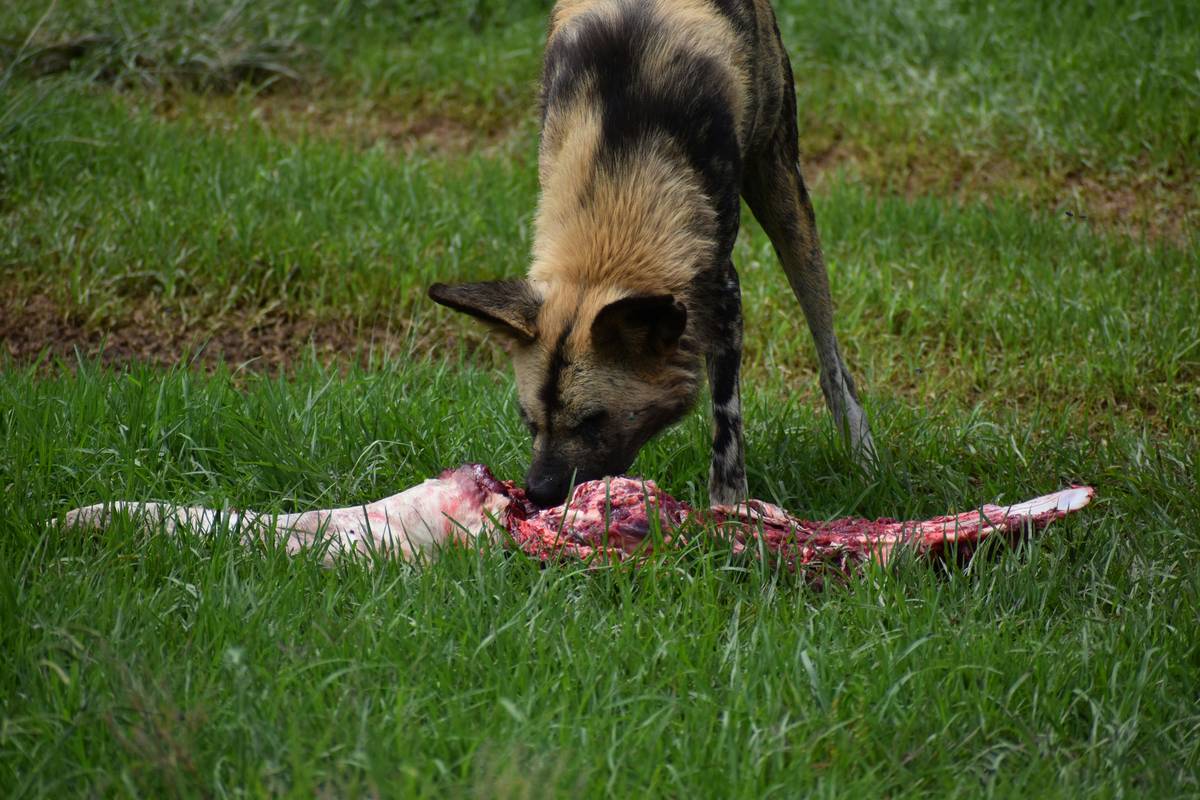
Ever returned from a long day of hunting, only to find your trusty canine companion dragging their paws and looking utterly exhausted? Yeah, we’ve all been there. But here’s the kicker: Did you know that feeding your hunting dog the wrong food post-hunt can delay recovery by days? That’s right—your pup’s performance tomorrow depends on what they eat today.
In this guide, you’ll learn everything about post-hunt dog repair food, including why it’s crucial, how to choose the best options, and even some actionable tips for keeping your four-legged athlete in peak condition. Let’s dive in!
Table of Contents
- Why Post-Hunt Dog Repair Food Matters
- Step-by-Step Guide to Choosing the Right Food
- Best Practices for Feeding After a Hunt
- Real-Life Examples of Effective Diets
- Frequently Asked Questions About Post-Hunt Nutrition
Key Takeaways
- Post-hunt dog repair food helps replenish energy stores, repair muscle tissue, and reduce inflammation.
- High-quality protein, omega-3 fatty acids, and antioxidants are essential components of recovery meals.
- Avoid generic “all-purpose” kibble; instead, tailor your pup’s diet to their specific activity level and nutritional needs.
Why Does Post-Hunt Dog Repair Food Matter?
Hunting dogs are elite athletes, and just like human competitors, they need proper nutrition after intense physical exertion. Neglecting their dietary needs can lead to sluggish performance, prolonged soreness, and even injury over time.
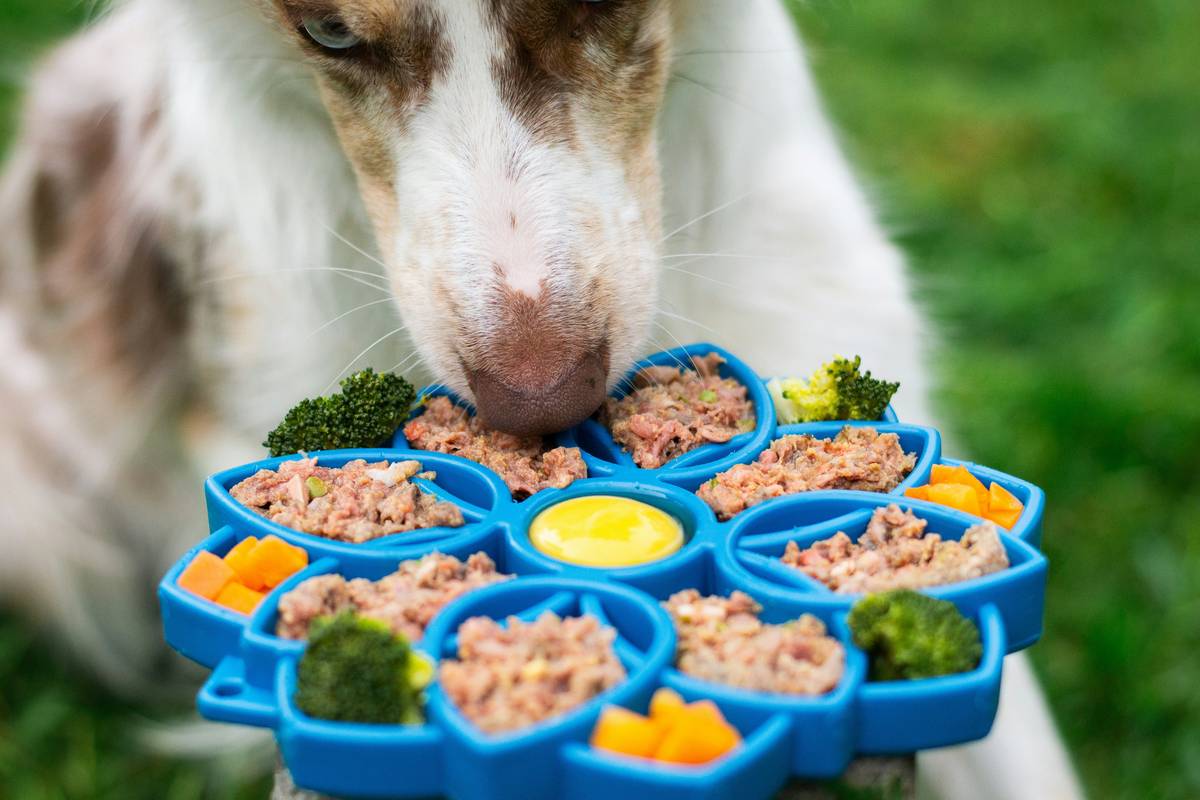
A tired hunting dog lying down after an exhausting day. Photo credit: [Your Source]
This is where post-hunt dog repair food comes in clutch. Think of it as a recovery shake for your furry buddy—it refuels depleted glycogen reserves, repairs microtears in muscles, and fights oxidative stress caused by hours of sniffing, sprinting, and fetching.
Optimist You: “With the right food, my dog will bounce back faster!”
Grumpy You: “Ugh, fine—but not if I have to sift through another confusing pet store aisle without coffee.”
Step-by-Step Guide to Choosing the Best Post-Hunt Dog Repair Food
Step 1: Look for High-Quality Protein
Protein is the cornerstone of any recovery meal. Opt for options rich in easily digestible proteins like chicken, turkey, or fish. Avoid fillers such as corn or soy, which offer little nutritional value.
Step 2: Prioritize Omega-3 Fatty Acids
Fish oil, flaxseed, and chia seeds are excellent sources of omega-3s, which help combat inflammation and promote joint health—a critical factor for active hunting dogs.
Step 3: Add Antioxidants
Blueberries, sweet potatoes, and spinach pack powerful antioxidants that neutralize free radicals produced during strenuous exercise. These ingredients support immune function and overall vitality.
Step 4: Consider Hydration Needs
Dehydration can sabotage recovery efforts. Many specialized formulas include moisture-rich foods like canned pumpkin or wet kibble to keep your dog hydrated and ready for their next adventure.
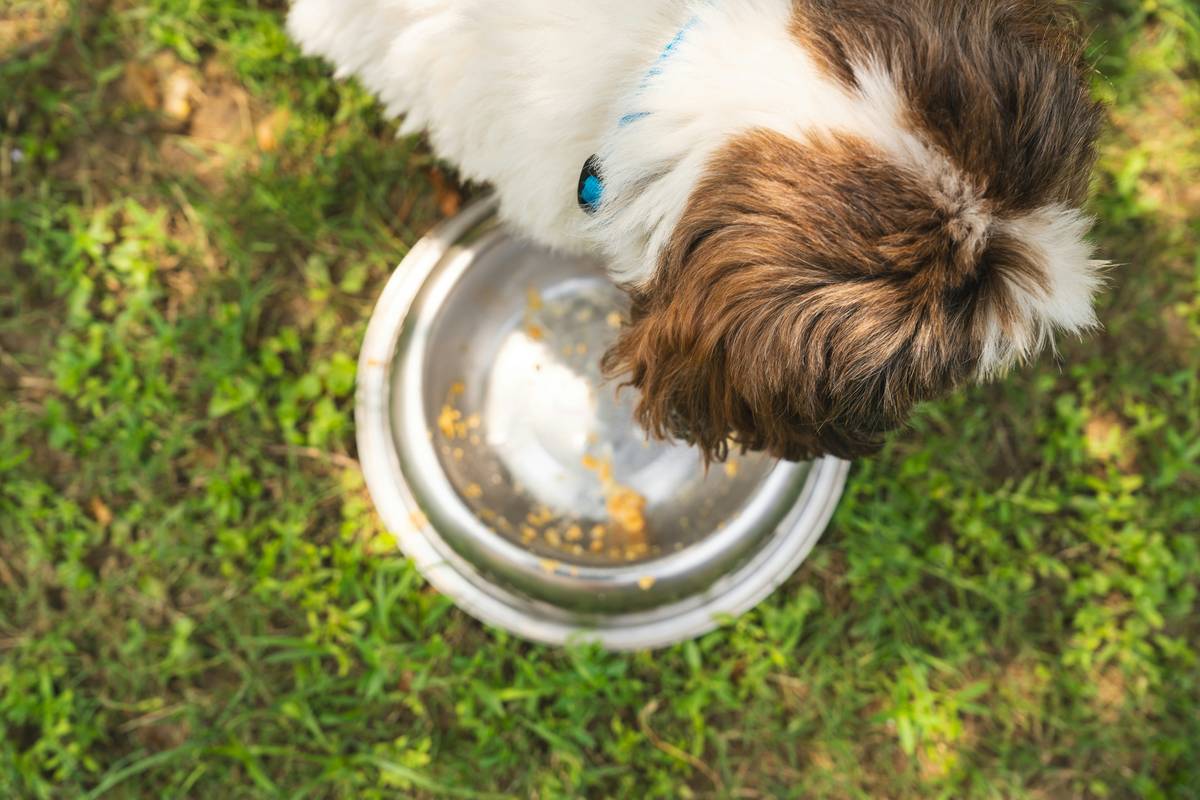
A nutritious mix of high-protein dog food paired with antioxidant-rich fruits and veggies. Photo credit: [Your Source]
Best Practices for Feeding Post-Hunt Dog Repair Food
- Feed Within 30 Minutes of Returning Home: Timing matters! The sooner your dog eats, the quicker their body begins repairing itself.
- Mix Dry Kibble with Wet Food: This boosts palatability while adding extra hydration.
- Rotate Proteins Regularly: Prevent boredom and potential allergies by switching up protein sources every few months.
- Monitor Portion Sizes: Overfeeding can be just as harmful as underfeeding. Stick to recommended serving sizes based on your dog’s weight and activity level.
Terrible Tip: Some people think raw eggs are great for dogs because they saw it online. Hold up—that egg white contains avidin, which interferes with biotin absorption. Balance is key!
Real-Life Examples of Effective Post-Hunt Diets
Case Study #1: The Chicken & Sweet Potato Combo
Sarah, a duck hunter from Minnesota, swears by her DIY recipe featuring shredded cooked chicken, mashed sweet potatoes, and a sprinkle of ground flaxseed. Her Labrador has never performed better!
Case Study #2: Commercial Performance Brands
Mike opts for a commercial brand designed specifically for working dogs. It’s packed with glucosamine for joint support and includes deboned salmon as its first ingredient. His pointer has stayed spry well into his senior years.
A bag of commercial performance dog food tailored for athletic breeds. Photo credit: [Your Source]
Frequently Asked Questions About Post-Hunt Nutrition
Q: Can I use regular grocery store kibble?
Absolutely not. Grocery store brands often prioritize cost-cutting over quality. Invest in a formula explicitly designed for active dogs.
Q: How much should I feed after a hunt?
A general rule of thumb is to increase portion size by 25% on heavy activity days. For example, a 50-pound dog might go from 3 cups daily to 4 cups.
Q: Are supplements necessary?
While whole foods should always come first, certain supplements like fish oil or glucosamine can provide additional benefits for aging athletes.
Conclusion
Your hunting dog deserves nothing less than the best when it comes to nutrition. With the right post-hunt dog repair food, you’re setting them up for success, both in the field and at home. Remember: Recovery starts with thoughtful, science-backed choices.
Now go ahead—fuel your furry champ and watch them conquer the world one hunt at a time. 🐾
After the chase,
Food restores grace,
Paws wag, tails race.
(Like a Tamagotchi, but furrier.)