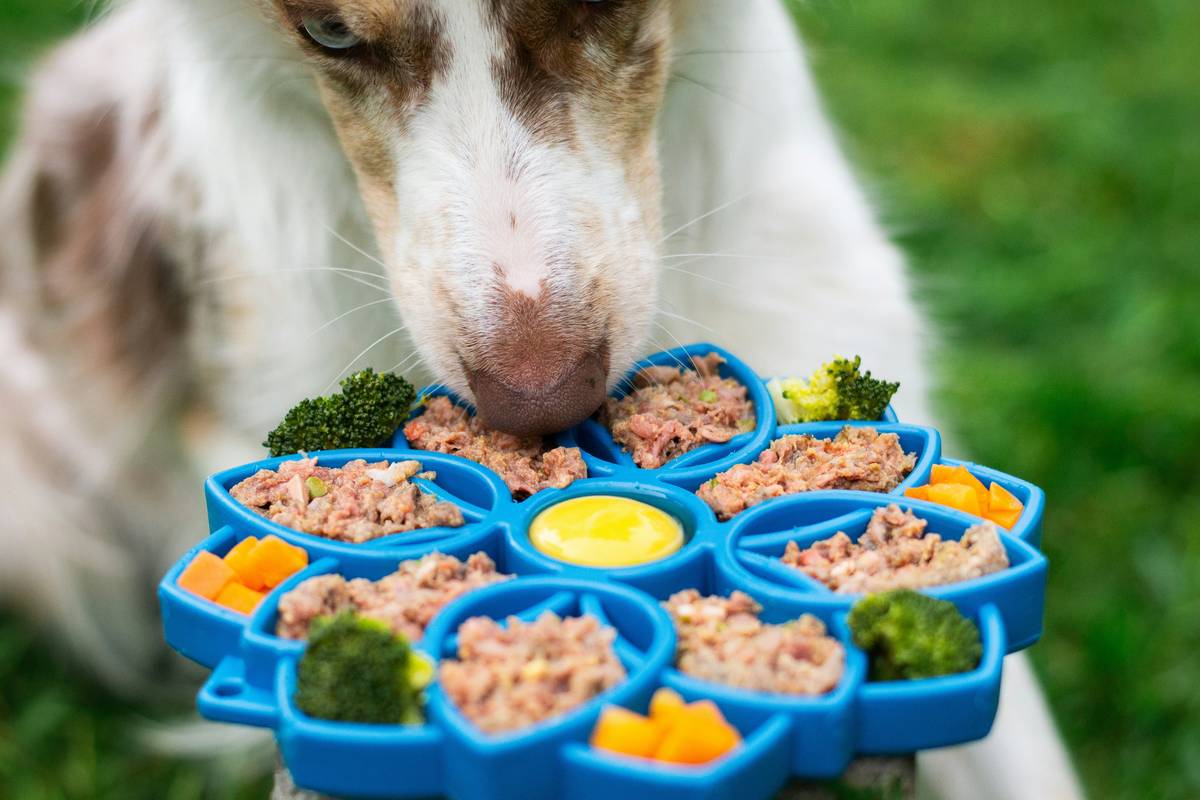
Ever felt your heart sink when your hunting dog limps into the house after a long day of tracking? Yeah, us too. Whether it’s an injury or just fatigue from overexertion, recovery is crucial—and food plays a bigger role than you might think. But here’s the catch: feeding them random scraps isn’t going to cut it. So what *should* go into a dog recovery meal plan for your hardworking pup?
In this guide, we’ll break down everything you need to craft a nutrient-packed recovery diet tailored specifically for hunting dogs. You’ll learn why specialized pet food matters, step-by-step instructions to build their perfect meal plan, and tips that’ll make tail wags unstoppable again. Let’s get started.
Table of Contents
- Why Specialized Pet Food Matters for Your Hunting Dog
- Step-by-Step Guide to Creating a Dog Recovery Meal Plan
- Tips & Best Practices for Feeding During Recovery
- Real-Life Examples of Successful Dog Recovery Diets
- FAQs About Dog Recovery Meal Plans
Key Takeaways
- A customized dog recovery meal plan can accelerate healing and boost energy levels post-hunt.
- Specialized pet food ensures essential nutrients like proteins, fats, vitamins, and minerals are optimized for active breeds.
- Nutritional mistakes, such as skipping hydration or overfeeding carb-heavy meals, can delay recovery.
- A well-balanced recovery meal plan keeps muscles strong and joints flexible, ensuring your hunting companion stays in top shape.
Why Specialized Pet Food Matters for Your Hunting Dog
Hunting dogs aren’t like other pups—they burn through calories at lightning speed, have unique nutritional needs, and face physical demands no couch potato Fido ever will. And when they’re recovering? Their bodies demand even more precision fuel. Here’s where specialized pet food comes in.
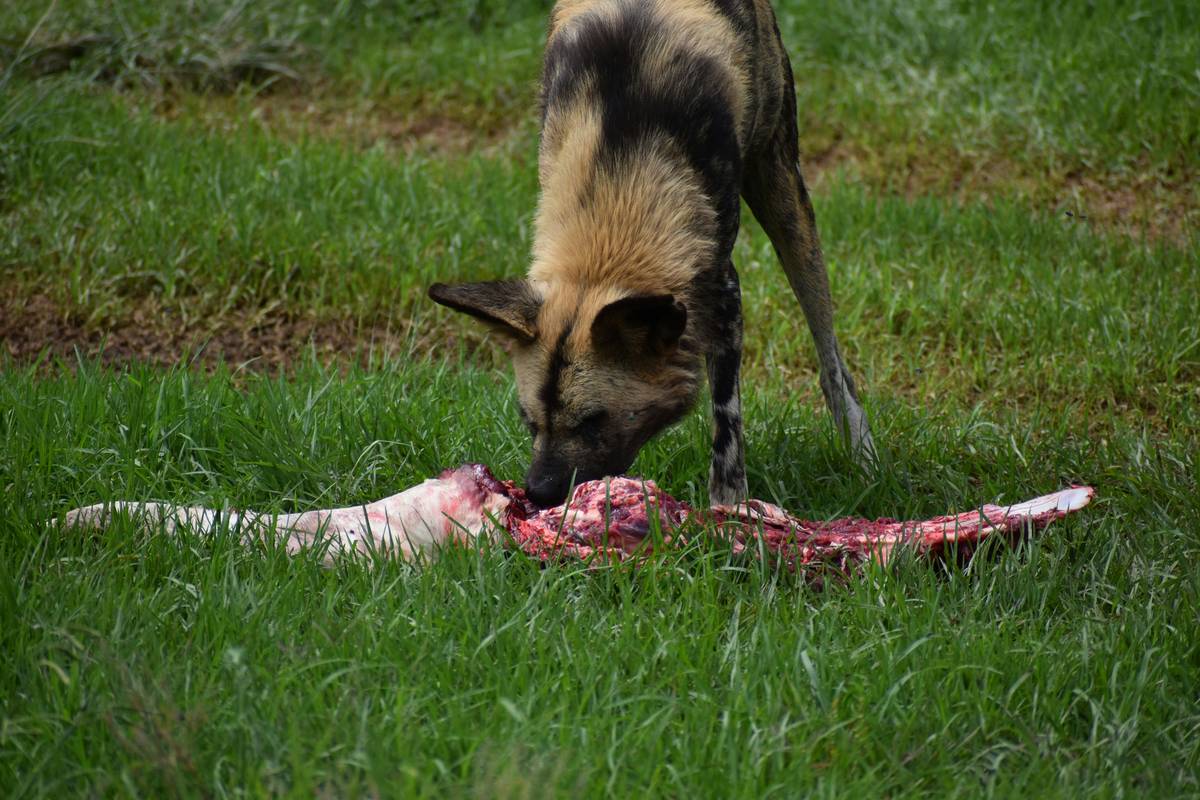
I once made the rookie mistake of giving my Labrador plain boiled chicken during his recovery phase—no supplements, no balance. Big whoopsie. His coat lost its shine, and he was sluggish for weeks. That’s when I learned: not all “healthy” foods work the same magic on these powerhouse canines.
The Science Behind It
Hunting dogs thrive on diets rich in lean proteins, omega fatty acids, antioxidants, and glucosamine. These nutrients help repair muscle tissue, reduce inflammation, and support joint health—key factors for fast recovery.
Optimist You: “This sounds simple enough!”
Grumpy You: “Oh sure, unless you screw up portion sizes.”
Step-by-Step Guide to Creating a Dog Recovery Meal Plan
Crafting the ideal dog recovery meal plan doesn’t have to feel like deciphering ancient runes. Follow these steps, and you’ll be golden:
Step 1: Consult Your Vet (No Skipping This Part)
Your vet knows your dog best. Before diving in, discuss any underlying conditions, injuries, or allergies that could affect dietary choices.
Step 2: Prioritize Protein
Protein builds muscle and repairs tissues. Opt for high-quality sources like chicken, turkey, fish, or eggs. Bonus points if it’s organic and free from fillers.
Step 3: Add Healthy Fats
Fats provide energy and promote skin/coat health. Omega-3-rich options include salmon oil or flaxseed.
Step 4: Include Complex Carbs
Don’t fear carbs entirely—they supply slow-burning energy. Sweet potatoes, brown rice, and oats are excellent choices.
Step 5: Balance with Vitamins and Minerals
Consider adding supplements like zinc, vitamin E, or glucosamine chondroitin for extra support.
Tips & Best Practices for Feeding During Recovery
- Keep Hydration in Check: Dehydration slows healing. Always ensure fresh water is available.
- Avoid Overfeeding: Too much food can strain their system. Stick to recommended portions.
- Track Progress: Monitor weight, energy levels, and stool consistency. Adjust accordingly.
- Stay Consistent: Frequent changes in diet can upset their stomach.
Terrible Tip Alert: Some trainers suggest feeding recovery dogs only raw meat because “it mimics ancestral diets.” While raw feeding has its merits, blindly following fads without consulting a pro could lead to nutritional gaps—or worse, bacterial infections. Don’t do it!
Real-Life Examples of Successful Dog Recovery Diets
When Max, a German Shorthaired Pointer, injured his paw pad, his owner switched him to a recovery meal plan featuring cooked chicken thighs, quinoa, and steamed broccoli. Within two weeks, Max regained his playful spirit and was back training.
Luna, a Beagle mix, faced chronic joint issues until her family added glucosamine supplements and switched her to a grain-free formula packed with omega fatty acids. Now? She leaps higher than ever!
FAQs About Dog Recovery Meal Plans
Q: How often should I feed my hunting dog while recovering?
A: Split meals into smaller portions spread across the day (e.g., three times daily) to aid digestion and prevent bloating.
Q: Can treats fit into a recovery diet?
A: Yes—but choose low-calorie, nutrient-dense options like freeze-dried liver or sweet potato chips.
Q: What if my dog refuses to eat?
A: Try warming the food slightly or mixing wet and dry textures to entice them. Persistent refusal? Call the vet ASAP.
Conclusion
A solid dog recovery meal plan tailored to your hunting dog’s needs can mean the difference between endless rehab sessions and full-throttle adventures. From prioritizing protein to keeping hydration in check, these strategies will keep tails wagging and spirits soaring.
Remember, every pup is different. What works for one might not suit another, so stay observant and consult experts. Now grab that leash—you’re ready to give your furry friend the nutrition they deserve.
Like a Tamagotchi, your SEO—and your hunting dog’s recovery plan—needs daily care. 🐾