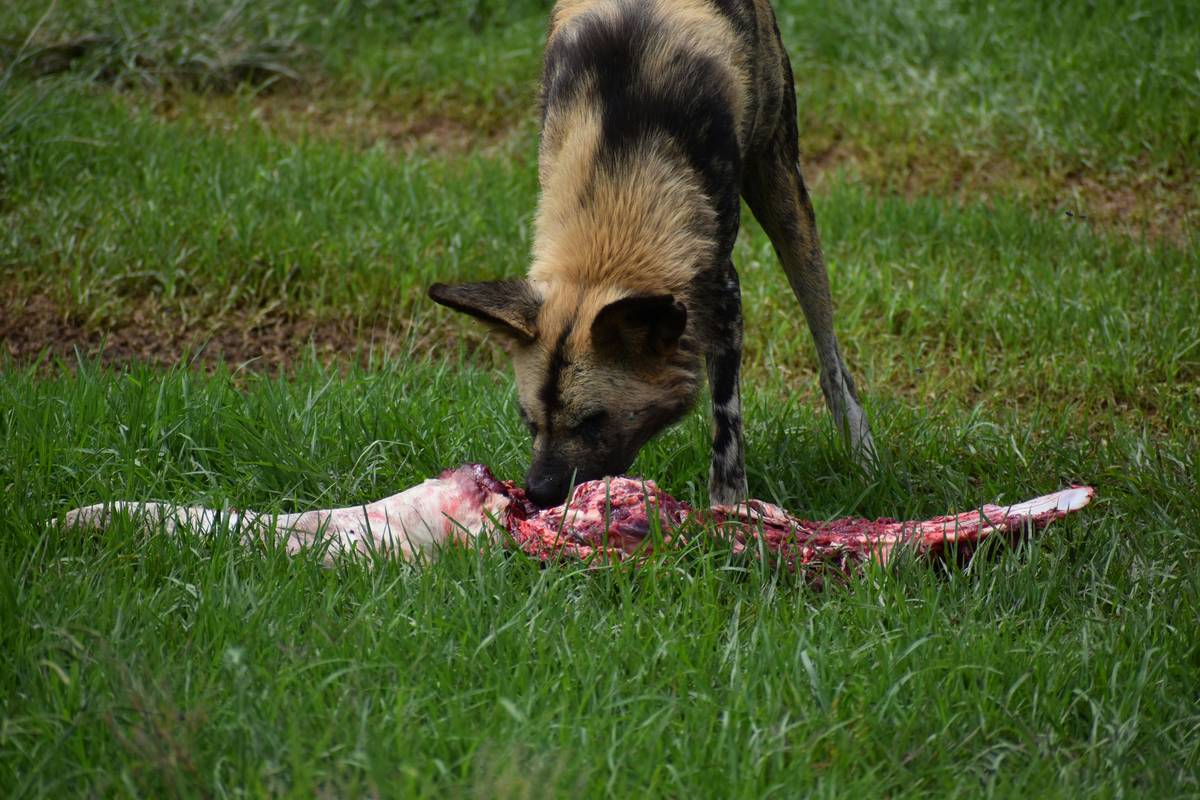
Ever watched your hunting dog hit a wall mid-training, their energy fading faster than your coffee on a Monday morning? Yeah, it stings. But here’s the truth: what goes into their bowl directly impacts how far they’ll go in the field. That’s why crafting a dog endurance meal plan isn’t just about throwing kibble together—it’s about precision nutrition tailored to your working dog’s unique needs.
In this guide, we’ll teach you how to design a meal plan that fuels stamina, supports muscle recovery, and keeps tails wagging mile after mile. You’ll learn why hunting dogs need specialized diets, step-by-step instructions for creating their perfect meals, expert tips for optimizing performance, and real-world examples of successful endurance feeders. Let’s dive in!
Table of Contents
- Key Takeaways
- Why Hunting Dogs Need Specialized Nutrition
- How to Create a Dog Endurance Meal Plan (Step by Step)
- Best Practices for Feeding Working Dogs
- Real-Life Success Stories from Hunting Dog Owners
- FAQs About Dog Endurance Meal Plans
- Conclusion
Key Takeaways
- Hunting dogs burn through calories like wildfire—specialized food helps them perform at peak levels.
- A dog endurance meal plan should balance proteins, fats, carbs, and hydration strategically.
- Timing meals around training schedules can prevent energy crashes.
- Not all pet foods are created equal; premium ingredients make a difference.
- Frequent monitoring ensures your pup stays healthy and active long-term.
Why Hunting Dogs Need Specialized Nutrition
Picture this: I once fed my Labrador Retriever generic grocery-store dog food during hunting season because “calories are calories,” right? Wrong. By week three, my poor pup was dragging his paws, refusing fetches, and looking more hound than hunter. Lesson learned—the hard way.
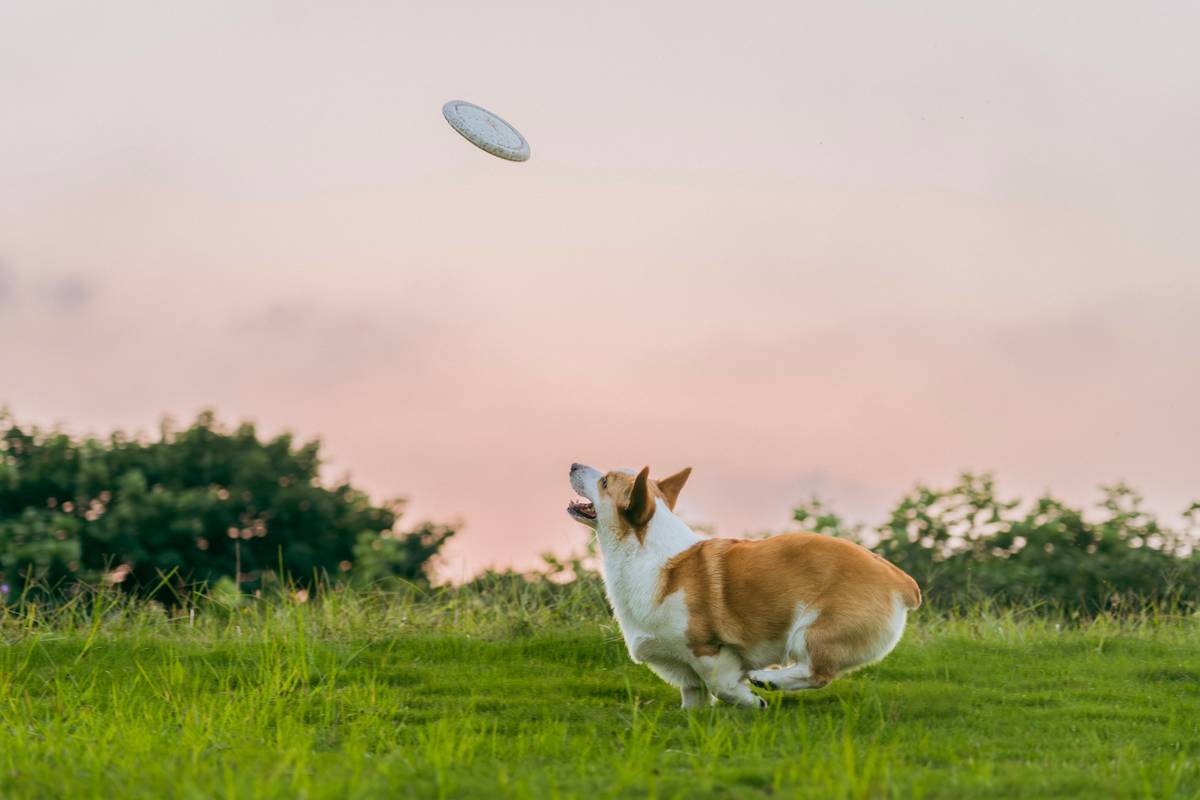
Hunting dogs aren’t couch potatoes binge-watching DogTV. They sprint, jump, swim, retrieve, and repeat—all while expelling insane amounts of energy. One study estimates these athletes need twice as many daily calories compared to sedentary pooches. Without proper fuel, even the most loyal retriever will tap out quicker than your phone battery on vacation mode.
The Science Behind Endurance Feeding
Hear that whirrrr sound? That’s your brain revving up to understand macronutrients. Here’s the deal:
- Proteins: Essential for building muscles that power every leap and bound.
- Fats: The primary energy source for aerobic activities like prolonged running.
- Carbs: Quick-burning fuel for short bursts of speed.
This trio must work together harmoniously—or else chaos ensues. And when chaos strikes, neither Google rankings nor bird-fetching trophies follow.
How to Create a Dog Endurance Meal Plan (Step by Step)
Step 1: Calculate Caloric Needs
Optimist You: “Math is fun!”
Grumpy You: “Ugh, fine—but only if snacks are involved.”
To figure out how many calories your hunting dog requires per day, consider:
- Their base metabolic rate (look up breed-specific guidelines).
- Minutes of physical activity (multiply intensity level x duration).
For example, an adult Labrador weighing 65 lbs might need roughly 2,000–3,000 calories daily during peak hunting seasons.
Step 2: Choose High-Quality Ingredients
Select lean meats like chicken or turkey, fatty fish rich in omega-3s (hello, salmon!), complex carbs like sweet potatoes, and fibrous veggies such as spinach. Avoid fillers like corn syrup—they’re chef’s kiss for ruining digestion.
Step 3: Portion & Schedule Meals Strategically
Feed smaller portions pre-workout to avoid sluggishness, then refuel post-exercise with protein-packed recovery snacks. Bonus points if you use puzzle feeders to slow down fast eaters (ahem, Labradors).
Best Practices for Feeding Working Dogs
#1 Prioritize Hydration
Tired dogs drink less water—which leads to dehydration. Keep bowls full near workout areas and offer small sips frequently.
#2 Rotate Proteins Regularly
Variety prevents allergies and boredom alike. Switch between poultry, fish, beef, and lamb occasionally.
#3 Avoid This Terrible Tip: Overfeeding Treats
Sure, treats are delicious—but too many can unbalance the entire meal plan. Limit them to under 10% of total caloric intake.
Real-Life Success Stories from Hunting Dog Owners
Meet Jack, whose pointer went from “meh” retriever to MVP thanks to a homemade dog endurance meal plan featuring venison and quinoa. Or Sally, who switched her English Setter to grain-free formulas and saw her win multiple field trials last year. These aren’t flukes—they’re proof points.
FAQs About Dog Endurance Meal Plans
Q: Can I feed raw diets to increase endurance?
Absolutely! Many trainers swear by BARF (biologically appropriate raw food) diets due to their natural nutritional value. Just consult a vet first.
Q: How much fat should be in my dog’s diet?
Aim for diets where fats comprise 20–30% of total calories. Remember: quality matters over quantity.
Conclusion
Feeding your hunting dog a thoughtfully crafted dog endurance meal plan transforms not just their stamina but also their overall well-being. With balanced nutrients, strategic timing, and plenty of love poured into each bowl, your four-legged athlete is ready to tackle any challenge head-on.
So next time you lace up those boots, rest assured knowing your partner has everything they need to outrun fatigue. Now go ahead, give yourself a pat on the back—and maybe toss a few treats to your furry MVP. Paw-five!
Like dial-up internet, great results take time and consistency. Keep tweaking that meal plan until it’s purr-fect.