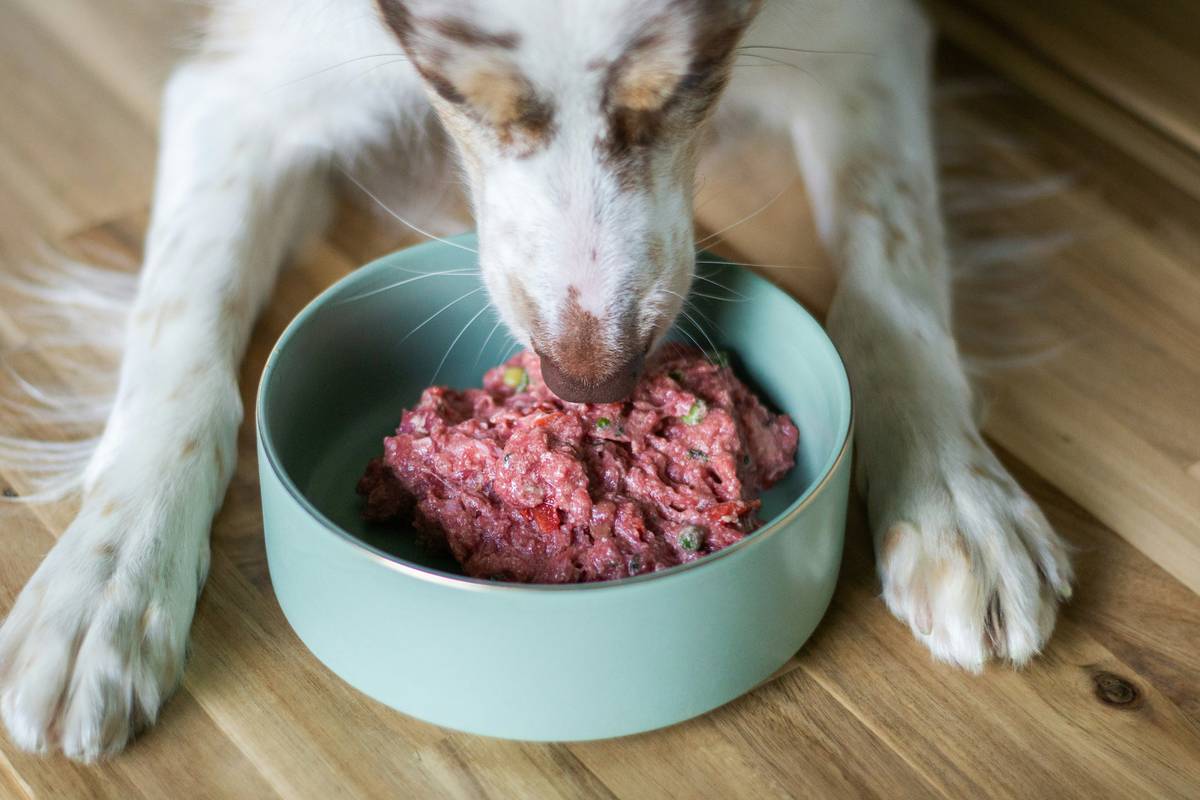
Ever tried to feed your exhausted hunting dog only to see them turn their nose up at the bowl? That’s because recovery isn’t just about tossing food into a dish—it’s about giving them exactly what their body craves after hours of hard work. Spoiler alert: most commercial pet foods fall short when it comes to fueling active hunting dogs. But don’t worry—we’re here to change that.
In this guide, you’ll discover how to craft the ultimate recovery dog nutrition plan, step-by-step strategies for choosing specialized hunting dog food, and actionable tips to avoid common mistakes that could sabotage your pup’s progress.
Table of Contents
- Key Takeaways
- Why Specialized Recovery Food Matters
- Crafting the Perfect Recovery Dog Nutrition Plan
- Best Practices for Hunting Dog Meals
- Case Study: Success Story from the Field
- FAQ About Recovery Dog Nutrition Plans
Key Takeaways
- A tailored recovery dog nutrition plan helps repair muscles, replenish energy, and boost overall health.
- Hunting dogs require high-quality protein, omega-3 fatty acids, and complex carbs to recover faster.
- Avoid cheap fillers in dog food—they can hinder your pooch’s performance and recovery speed.
- Monitoring hydration is as critical as picking the right nutrients.
- Tailor meal timing around activity schedules for optimal results.
Why Specialized Recovery Food Matters
I once fed my labrador retriever generic kibble after an all-day hunt. Spoiler: he slept on the couch for three days straight, barely moving. It was a rookie mistake—one I won’t repeat anytime soon.
Hunting dogs push their bodies harder than your average pup. They sprint through dense forests, jump over streams, and sniff tirelessly for hours. Without proper recovery fuel, they risk injuries, fatigue, and burnout. And trust me, no one wants a grumpy hound who refuses to chase another duck.
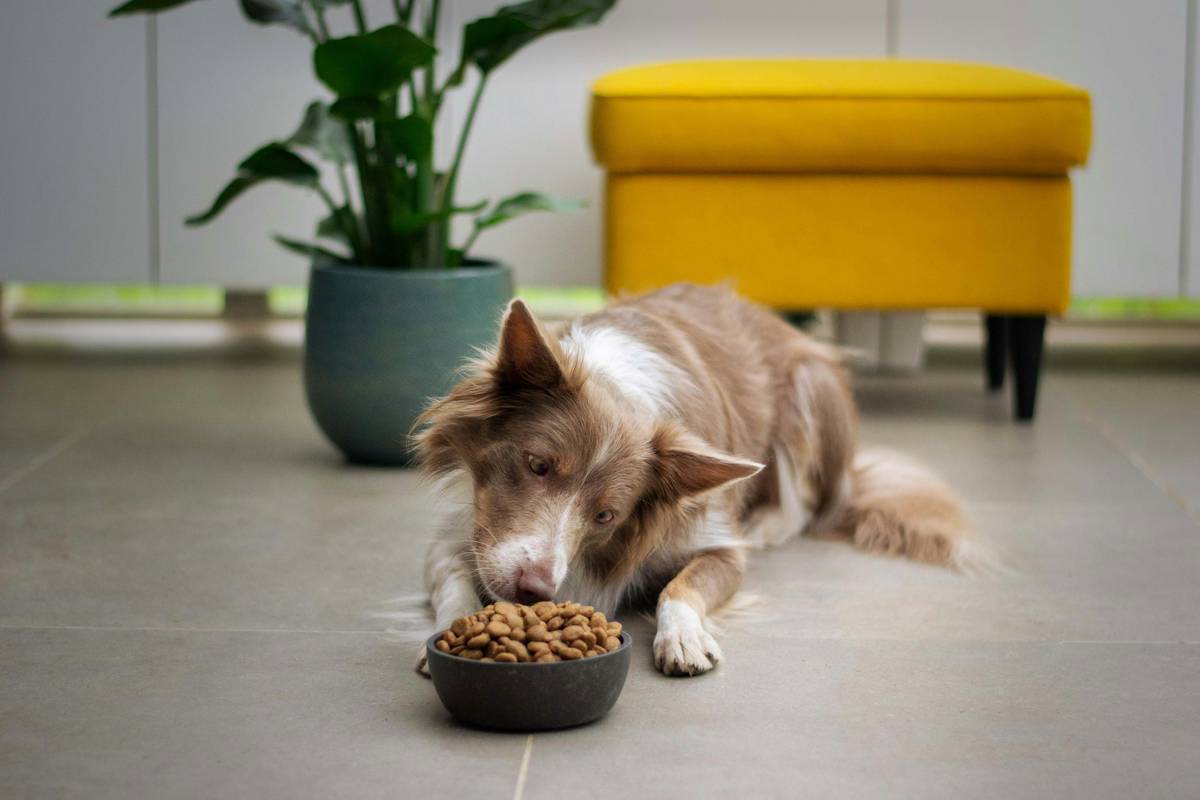
To truly optimize recovery, you need more than generic dog chow. A recovery dog nutrition plan focuses on:
- High-Quality Protein: Essential for muscle repair.
- Omega-3 Fatty Acids: Combat inflammation and keep joints supple.
- Complex Carbs: Provide long-lasting energy and support glycogen restoration.
- Vitamins & Minerals: Boost immune function and overall vitality.
Optimist You: “This will make my dog unstoppable!”
Grumpy You: “Only if you get the ratios right—don’t mess this up.”
Crafting the Perfect Recovery Dog Nutrition Plan
Here’s where we roll up our sleeves and dive into specifics. Crafting a recovery-focused feeding strategy means understanding your dog’s calorie needs, nutrient breakdown, and daily schedule.
Step 1: Calculate Daily Caloric Needs
Start by calculating your dog’s Basal Metabolic Rate (BMR). Use online calculators or consult your vet for precision. Active hunting dogs typically need double the calories of sedentary dogs. For instance, a 50-pound working breed might require up to 2,000 calories per day during peak season.
Step 2: Prioritize Protein-Rich Foods
Protein should make up 25-30% of your dog’s diet post-exertion. Think ingredients like chicken, salmon, beef, or lamb. Skip mystery meats labeled “animal by-products”—they’re a recipe for disappointment.
Step 3: Add Omega-3 Powerhouses
Fatty fish, flaxseeds, and even algae oil are excellent sources of omega-3s. These anti-inflammatory superheroes help reduce joint stiffness and improve coat shine. Bonus points if you find a brand fortified with EPA/DHA!
Step 4: Incorporate Slow-Digesting Carbs
Brown rice, sweet potatoes, and oats provide sustained energy without spiking blood sugar levels. Avoid sugary treats disguised as snacks—they’ll do more harm than good.
Terrible Tip Alert:
DON’T give your dog raw bacon thinking it’s “proactive feeding.” Bacon may be delicious (we agree), but its excessive fat content wreaks havoc on digestive systems. Stick to healthier options instead.
Best Practices for Hunting Dog Meals
- Meal Timing is Everything: Feed your dog at least two hours before or after strenuous activity to prevent bloat.
- Hydration Rules: Always ensure fresh water is available. Dehydration slows down recovery faster than anything else.
- Routine Matters: Consistency builds trust. Stick to regular feeding times so your dog knows when meals are coming.
Case Study: Success Story from the Field
Meet Max, a four-year-old English Pointer whose stamina used to plummet after hunts. His owner switched him to a customized recovery dog nutrition plan featuring wild-caught salmon, quinoa, and plenty of greens. After just six weeks, Max ran circles around his previous self, tackling back-to-back sessions without breaking a sweat.
“His recovery time halved,” said Max’s owner. “And honestly? He seems happier too.”
FAQ About Recovery Dog Nutrition Plans
What does recovery food cost compared to regular dog food?
Specialized diets often come with a higher price tag, but think of it as an investment in your dog’s longevity and happiness. Prices range from $3 to $7 per pound depending on quality and brand.
Can I mix homemade food with store-bought options?
Absolutely! Just ensure balanced nutrition across both sources. Consult a veterinarian or canine nutritionist for guidance.
How quickly will I see improvements?
Most owners notice better endurance and a shinier coat within 2-4 weeks of starting a recovery-focused diet.
Conclusion
Your hunting dog deserves nothing less than the best. By implementing a well-thought-out recovery dog nutrition plan, you’ll give them the tools they need to thrive. Remember, recovery isn’t optional—it’s essential for peak performance and lifelong health.
Like a Tamagotchi, your dog’s diet needs daily care. Water, protein, love, repeat.