Ever watched your hunting dog collapse after a long day in the field? You’re not alone. Many hunters overlook the role of diet in their dog’s stamina and performance, focusing instead on training and equipment. But here’s the truth: without the right fuel, even the most well-trained hunting dog can hit a wall. This post dives deep into crafting the ultimate dog stamina boost diet for your four-legged athlete. Get ready to learn what nutrients matter, how to implement the best feeding strategies, and why avoiding shortcuts is key.
Table of Contents
- Understanding the Problem: Why Does Your Dog Need a Stamina Boost?
- Step-by-Step Guide to Crafting a Dog Stamina Boost Diet
- Tips and Best Practices for Feeding Hunting Dogs
- Real-Life Examples of Successful Diets for Hunting Dogs
- Frequently Asked Questions About Dog Stamina Diets
Key Takeaways
- Hunting dogs require specialized diets rich in protein, fats, and carbohydrates to maintain stamina.
- Avoid cheap fillers like corn and soy, which provide little nutritional value.
- Implement feeding schedules based on activity levels to optimize energy.
- Hydration and supplements like omega-3s play vital roles in boosting endurance.
- Poor nutrition can lead to decreased performance and health issues.
Why Does Your Dog Need a Stamina Boost?
“My golden retriever used to run circles around me,” one hunter once told me. “Then I realized his diet was basically junk food—he was sluggish, panting too much, and barely lasted half the day.” Sound familiar? The problem isn’t laziness—it’s nutrition. High-energy activities like hunting demand specific nutrient profiles that generic dog food just doesn’t offer.
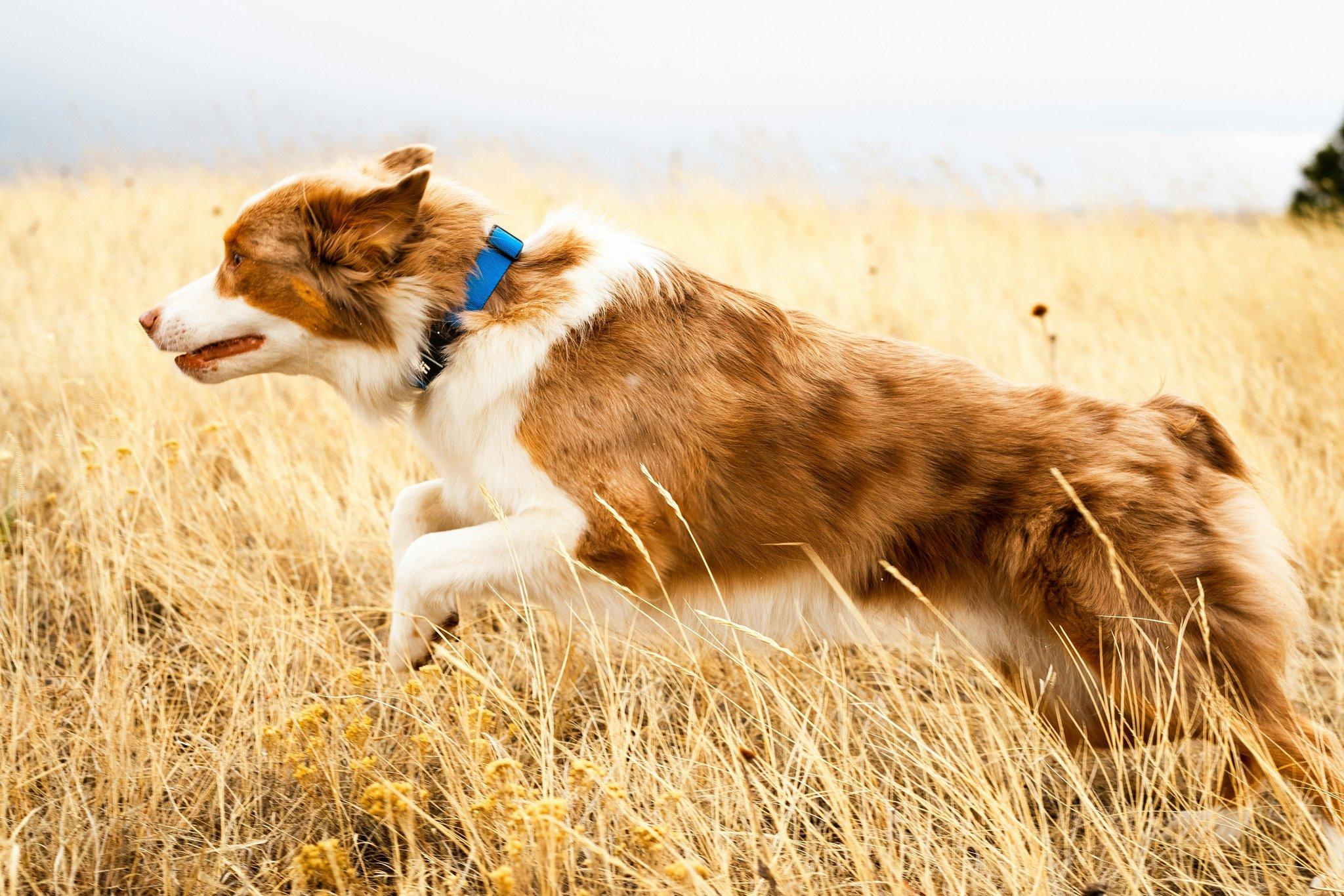 Hunting dogs burn through energy faster than couch potatoes. According to a recent study, working dogs need up to 50% more calories than sedentary ones during peak seasons. Yet, many owners feed them standard kibble, packed with fillers that do nothing but bloat.
Optimist You: “There must be a way to fix this!”
Grumpy You: “Yeah, if you’re willing to ditch those bargain-bin dog foods.”
Step-by-Step Guide to Crafting a Dog Stamina Boost Diet
Step 1: Assess Your Dog’s Activity Level
Every hunting breed has unique needs. For example, pointers might need higher fat content compared to retrievers who thrive on balanced proteins and carbs. Start by monitoring your dog’s daily activity—how long are they running, swimming, or trailing scents?
Step 2: Choose High-Quality Protein Sources
Protein fuels muscle recovery and growth. Opt for real meat sources like chicken, beef, lamb, or venison. Avoid labels listing “meat by-products,” as these are often low-quality scraps.
Step 3: Balance Fats and Carbs
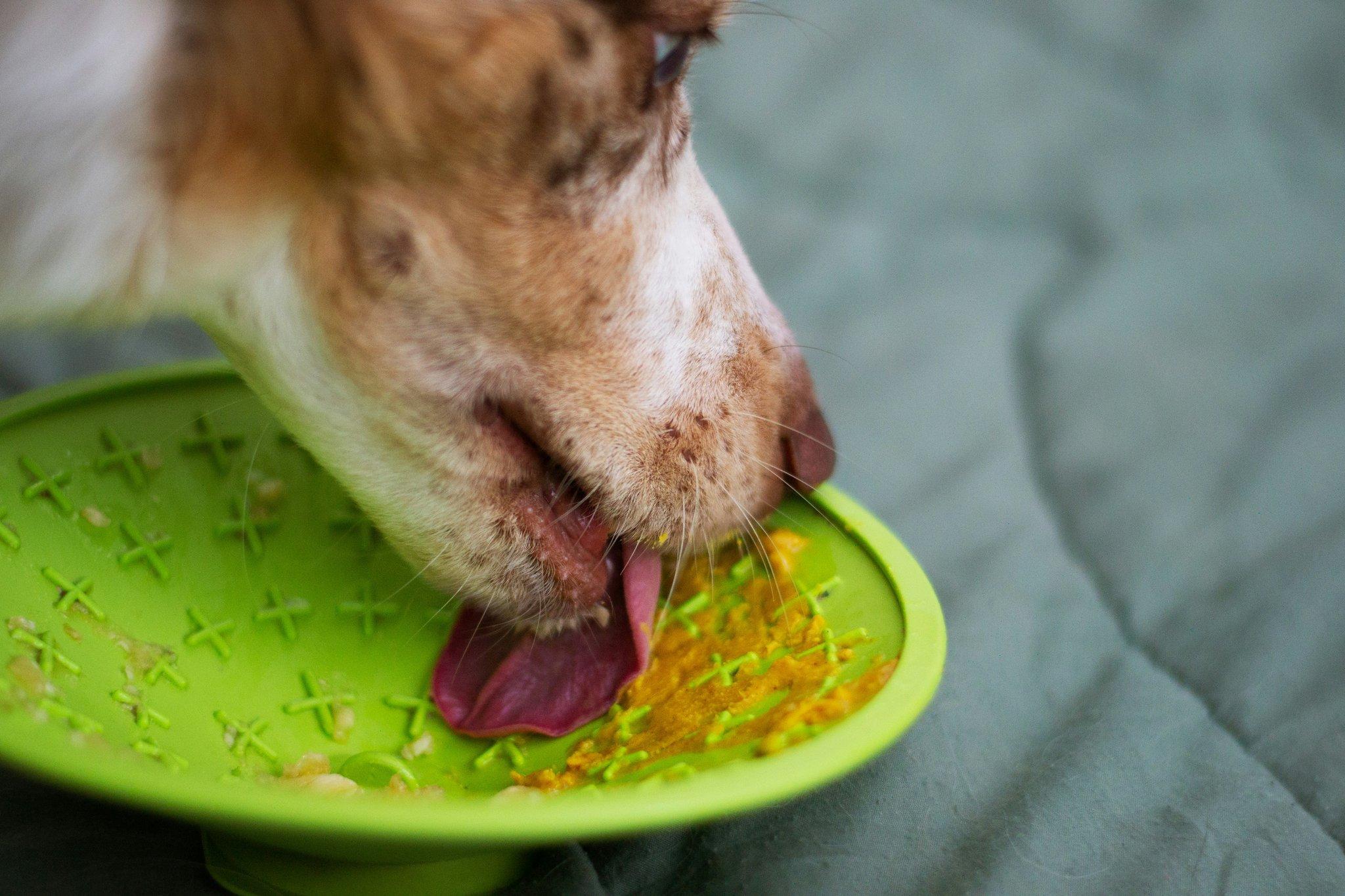
Fats are dense in energy, while carbs provide quick bursts of fuel. Look for formulas containing healthy fats (like salmon oil) and slow-release carbs (such as sweet potatoes).
Step 4: Add Hydration Support
Dehydration kills stamina fast. Consider adding wet food to their meals or using hydration-support supplements designed for active dogs.
Tips and Best Practices for Feeding Hunting Dogs
- Feed According to Schedule: Spread meals across two or three small portions throughout the day.
- Incorporate Supplements: Omega-3 fatty acids reduce inflammation and improve joint health.
- Avoid These Ingredients: Corn, wheat, soy, artificial colors, and preservatives should all go straight into the trash bin.
- Rotate Proteins Regularly: Prevent allergies and boredom by switching between different meats every few weeks.
- Don’t Overfeed: More food ≠ more energy. Stick to portion sizes recommended for your dog’s ideal weight.
Confession time: I once fed my labrador a mix of peanut butter and rice because I ran out of proper food mid-hunt. Terrible idea. Let’s just say the whining started within hours, and we had to cut our trip short. Lesson learned? Preparation over panic.
Real-Life Examples of Successful Diets for Hunting Dogs
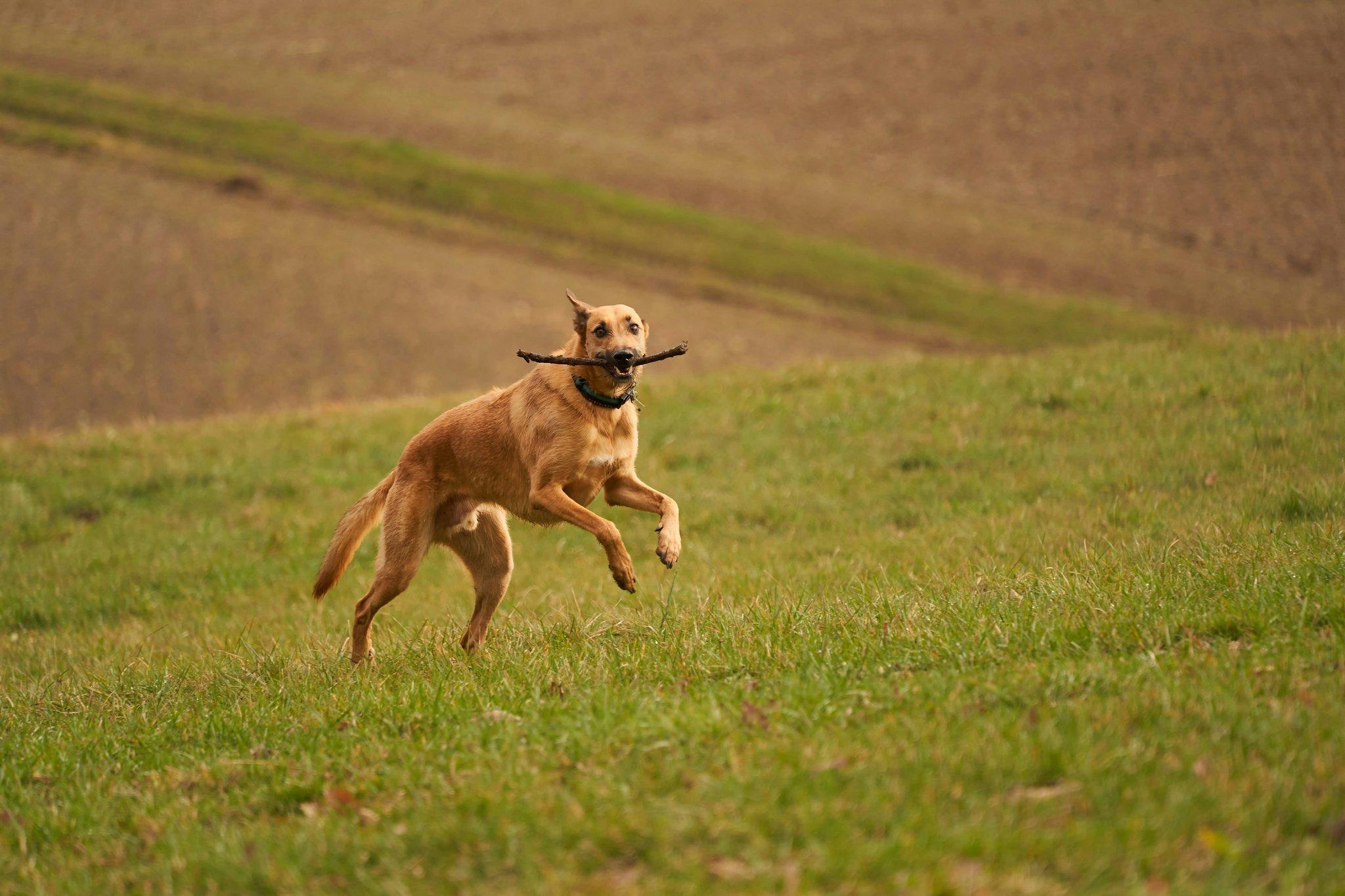
Take Max, a Brittany spaniel whose owner switched him from generic dry food to a premium brand with elevated levels of fish-based proteins. Within weeks, Max went from tiring at noon to hunting strong until sunset. Or Bella, a German Shorthaired Pointer who saw reduced joint pain and improved endurance after her owner added glucosamine chews to her regimen.
Frequently Asked Questions About Dog Stamina Diets
Q: How soon will I see results from changing my dog’s diet?
A: Typically, noticeable improvements occur within two to four weeks, depending on the current condition and age of the dog.
Q: Can I prepare homemade food instead of buying commercial products?
A: Yes, but consult a vet first to ensure you’re meeting all nutritional requirements.
Q: Are grains always bad for hunting dogs?
A: Not necessarily. Some dogs tolerate grains well, but others may experience digestive issues or allergies.
Conclusion
Your hunting dog deserves the best, and a carefully tailored dog stamina boost diet can make all the difference. By understanding the importance of high-quality proteins, balanced fats and carbs, and staying vigilant against cheap fillers, you’ll set your companion up for success. Remember, consistency is key—don’t skimp on quality for convenience.
Final thought: Treating your dog right pays dividends in loyalty and love. So grab that chef’s kiss-worthy meal plan and get started today!
Like chasing rabbits in an endless loop, good care never stops. 🐾